ENVIRONMENTAL JUSTICE

The unequal distribution of burdens, benefits and socio-environmental impacts that arise from extractive economies deepen inequality in territories inhabited by communities that have historically been marginalized and discriminated against on the basis of their ethnic, racial, class, gender, among others. Likewise, the climate crisis scenarios that we face as a society aggravate the situation of these communities and have exacerbated effects on specific social groups.

We advocate for the effective participation of these communities in decision-making on policies that may affect them, in order to safeguard other human rights and the spirit of a democratic state. Likewise, we favor an integrative analysis of nature and culture, which allows us to safeguard the biocultural wealth of the territories, undertake damage repair processes, and with this, strengthen the struggles of local communities.
We approach this axis from the following lines of work:

We work to promote respect for democratic values and to demand that decision-making on the development model based on extractivism has the effective participation of all citizens and, particularly, of the communities and people affected.

We seek to understand the environmental legal frameworks under which extractive projects operate to analyze the limitations they may have, both in their formulation and in their implementation, so that we can influence or litigate on them, with the aim of ensuring that they are in accordance with the human rights of the communities and with standards of public interest. Specifically, we refer to regulations related to licensing, environmental permits and territorial planning, among others.

Faced with a global scenario of climate crisis, we work for the critical understanding and development of inclusive figures that protect nature and territories, including figures of territorial planning, planning of productive activities, protected areas, rights of nature, among others.

PUBLICATIONS

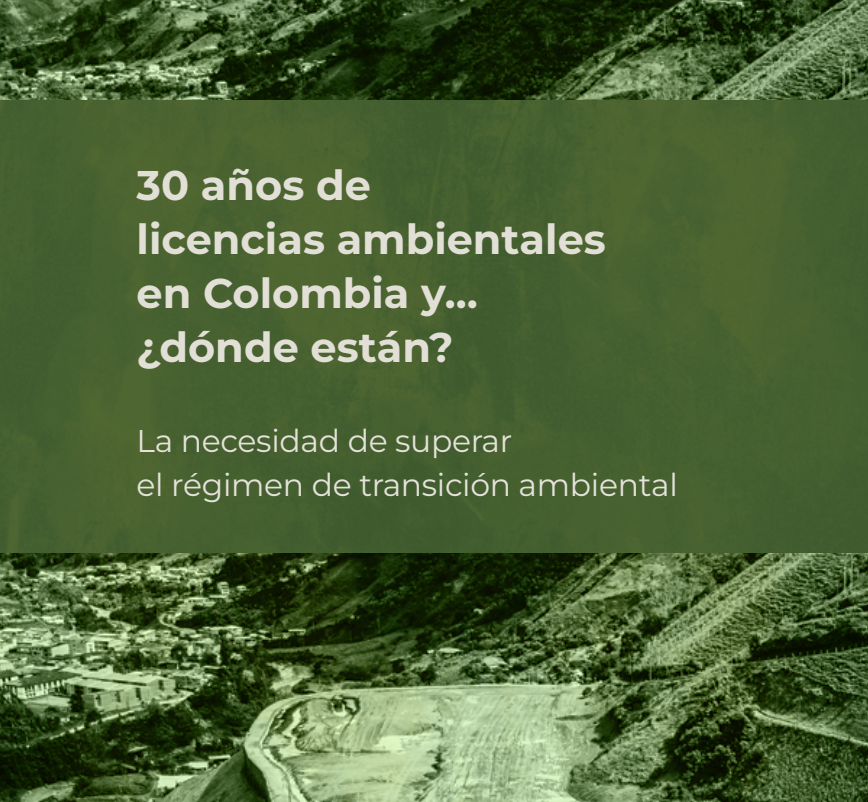
30 years of environmental licenses in Colombia and… where are they? The need to overcome the transition regime

21/03/2024

Law 99 of 1993 incorporated environmental licenses in Colombia as an instrument to control and monitor activities that may cause great impacts to the environment….

Read more
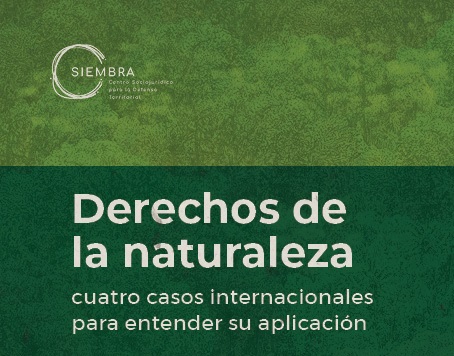
Rights of Nature Four international cases to understand its application

03/11/2022

In October 2021, SIEMBRA invited several organizations from around the world to a dialogue around the implementation of rights of nature in the world, to…

Read more