


From SIEMBRA we consider that the promotion of extractive industries as the basis of the development model is one of the main problems of the country, against which it is imperative to propose alternatives. It is a model of dispossession that, historically, has created situations of injustice, has meant the violation of rights, has deepened schemes of inequality and is a generator of socio-environmental conflicts. These are conflicts related to access and control of common goods, confronting actors who have opposing interests and values in a context of power asymmetry. Within these actors, corporations in the extractive sector have a central place in the deepening of such conflicts, as they not only have the ability to influence public policies and legislation for the extractive sector, but have also caused multiple environmental damages and are responsible for violations of
The conflicts that emerge from the installation of extractivism in the territories are related to the access, use and control of common goods, which face actors who have opposing interests and values on the territory in a context of power asymmetry.
Corporations in the extractive sectors have a central place in the deepening of these conflicts, as they not only have the capacity to influence public policies and legislation in this sector, but have also caused multiple environmental damages and are responsible for human rights violations in the places where they operate, without adequate prevention and control by the State, sufficient mechanisms to prosecute and condemn those responsible, or policies aimed at recognizing and repairing these damages. Therefore, in addition to working to overcome extractivism as the preponderant socio-economic paradigm in the country, it is essential to work to demand the legal and political responsibility of corporations in the serious violations of rights and impacts they generate in the territories, questioning and revealing the national and international institutional scaffolding that allows and shelters the impunity of their operation.
Likewise, we recognize the impacts that the articulation between armed conflict, socio-political violence and illegal extractivism has had on community ways of life, and we aim to unveil these relationships and the territorial effects they generate. Likewise, we promote the understanding of the legal, political and economic structures that allow and promote these effects.
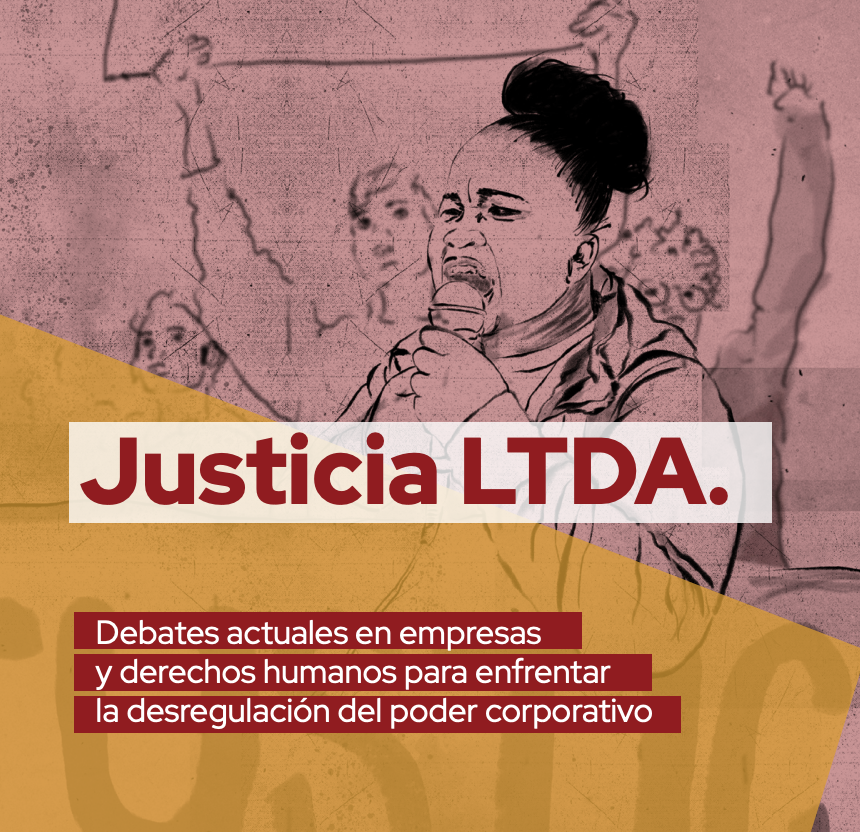
In this document we map the deregulation in which transnational corporations currently find themselves in the world, their causes and effects, with the aim of…
Read more

 Contact Us
