


10/08/2023
2023 has been a very important year for the implementation of the T-622 decree. For the first time a National Development Plan incorporated the Atrato into its articles, and finally the national government sat down in full, together with the community organizations of the river basin, to design a strategy for the implementation of the action plans that ordered the sentence and that ended up being formulated in 2021. This is how the new government is doing facing the Atrato river.
The construction of such a national strategy was a necessary step that the guardians had been asking for years, but that was achieved by virtue of the Administrative Court of Cundinamarca issued an order asking the Ministry of Environment, as state guardian of the river, to hold a Forum that would result in the elaboration of a diagnosis identifying the reasons for the slow progress in the implementation of the decree, as well as the design of a strategy that would allow those responsible to overcome the gaps identified.
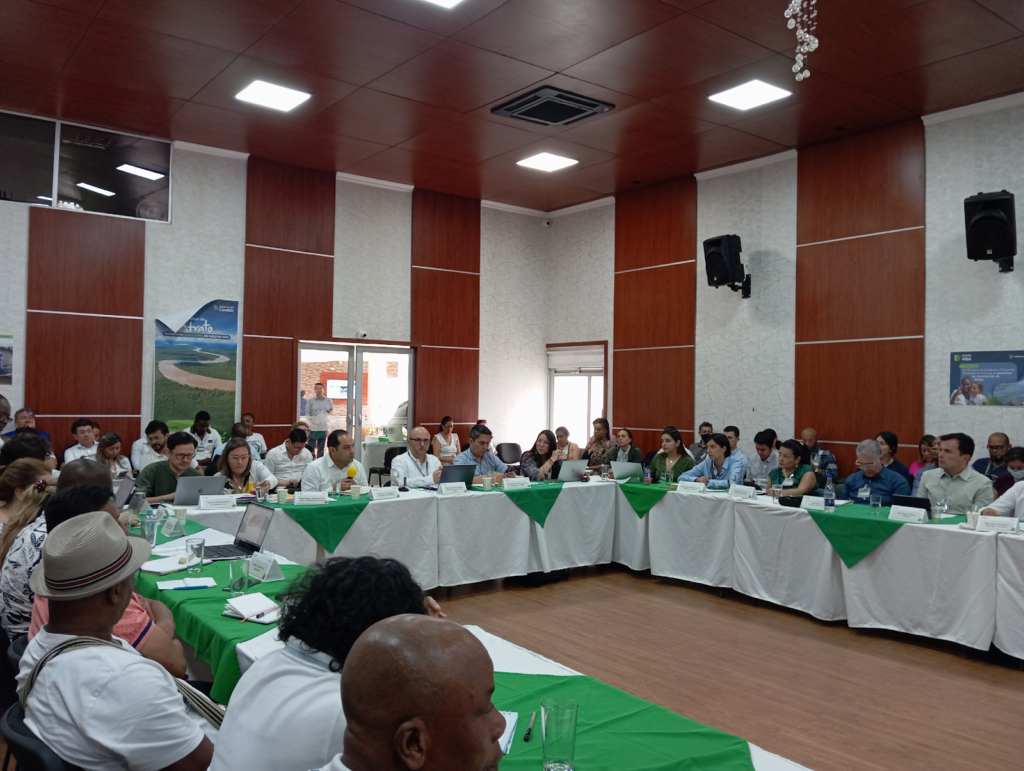
In compliance with this order, during the month of May in the city of Bogotá, the Ministry of Environment held a few days prior to the ordered forum that were focused on identifying the gaps. All the Ministries and entities linked to the ruling at the central level participated, as well as delegates from the Government of Antioquia (with the absence of the Chocó) of some Municipalities, together with the Monitoring Committee and some guardians who were accompanied by the SIEMBRA team as their judicial representatives.
Pre-forums “Atrato: territory of culture and life”
As a result of these pre-forums, it was possible to identify four main gaps in the decree: (i) lack of intersectoral and multilevel articulation, largely due to the lack of will of various responsible entities (most notably: municipalities, governorates, Ministries of Defense, Interior, Finance, DNP, Presidency); (ii) intensification of illegal mining, (iii) lack of financial resources, (iv) problems in the exercise of certain roles or instances created by the judgment.
Schemes of instances created by T-622 decree for their implementation
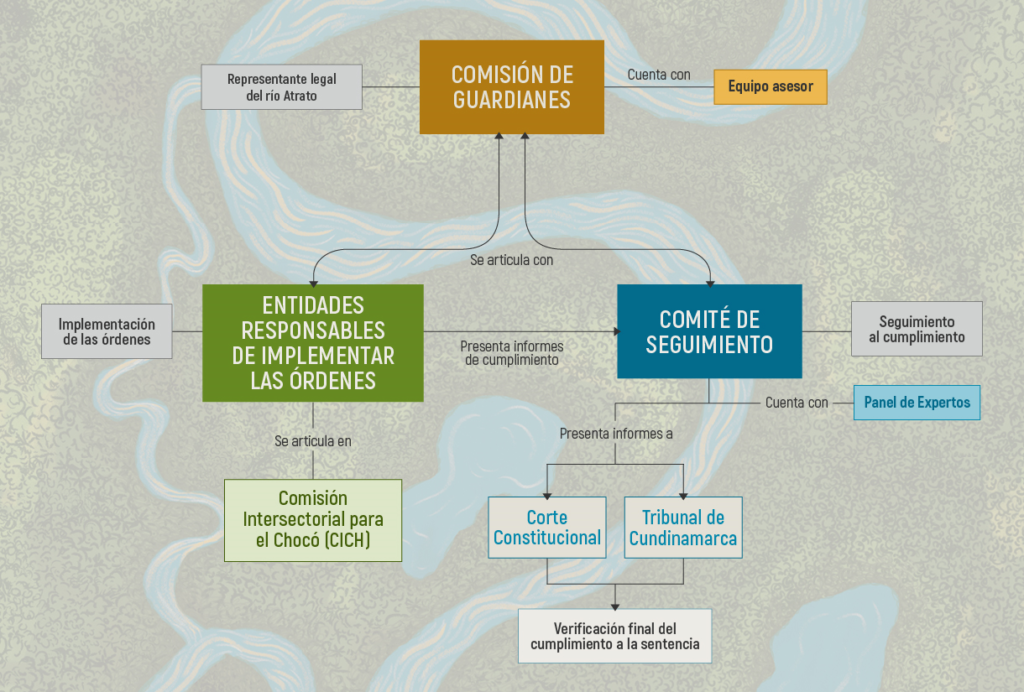
Own elaboration
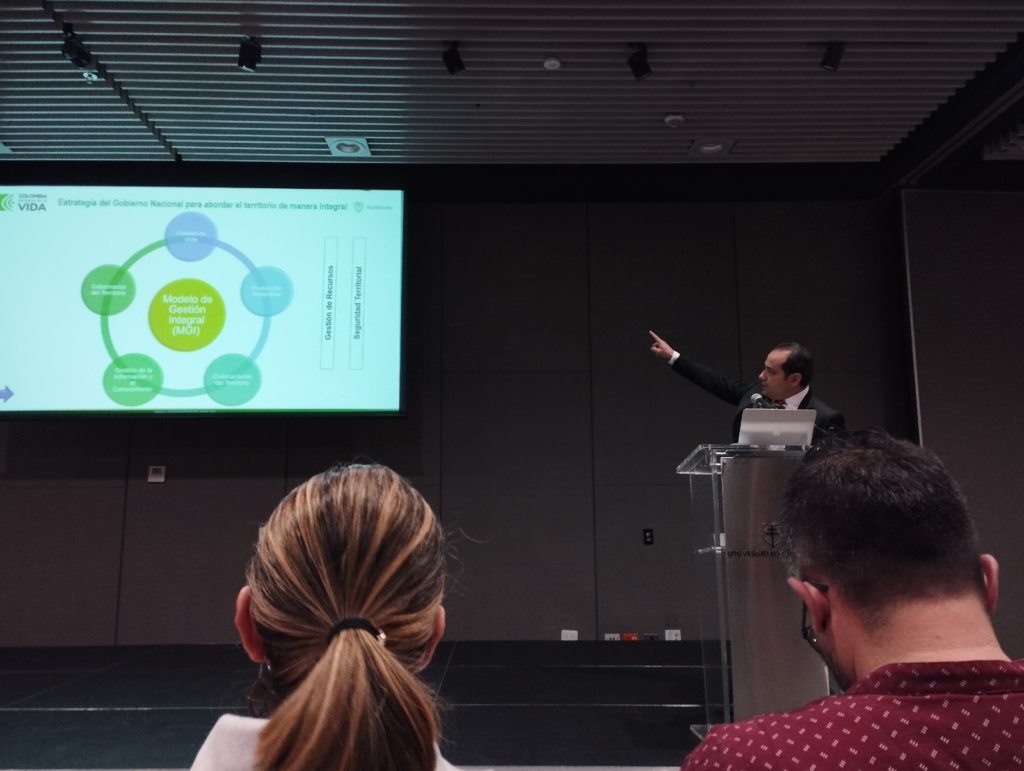
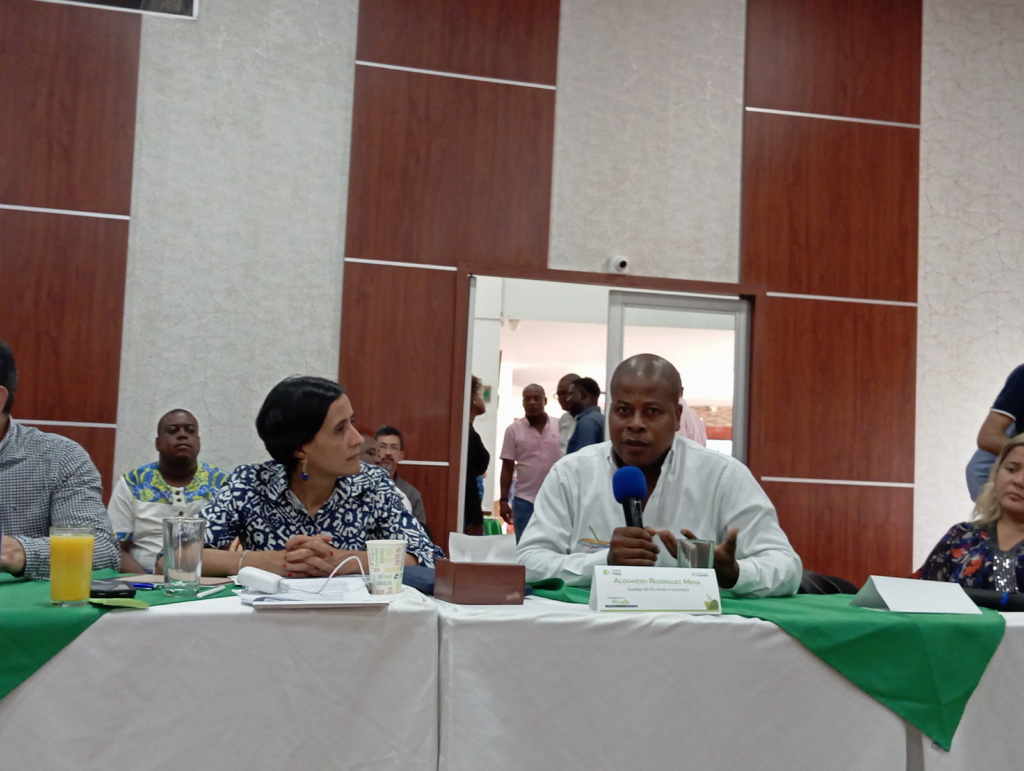
With an exhaustive diagnosis of the problems, on July 18, in the framework of a session of the Intersectoral Commission for Chocó (CICH), the Forum “Atrato: territory of culture and life” that had been ordered by the Court was held in Quibdó. This space, in which all the actors involved in the sentence had their seats, was intended to build the national strategy to speed up the implementation of the judgment, seeking the assumption of concrete commitments by the responsible entities.
Session of the Intersecotrial Commission for the Chocó CICH – Forum “Atrato: territory of culture and life”
Among the main commitments made by the national Government to overcome the gaps identified is highlighted: first, that the CICH will be the scenario of articulation of the government for the promotion of the decree, in close coordination with the Guardians Commission, and under an approach of giving impetus to transformational mega-projects for the river basin; second, that the Presidency of the Republic, through the High Council for the Regions will accompany the Ministry of the Environment in its role of legal representative of the Atrato, assisting the linking of the other sectors of the government to the fulfilment of their responsibilities in the face of the decree; third, that the Ministry of the Environment will open a sub-account for Atrato within the recently created Life Fund, from which the environmental recovery actions of the river basin will be financed, under projects that overcome the gaps in the annuity of payments that governed public spending in the former FONAM; and fourth, that the DNP and the Ministry of Finance will present to the CICH a route to operationalize the different sources of funding envisaged in the new PND that can guarantee compliance with the actions of the decree, as well as provide advice and support to the different responsible entities that require them in the management for access to available resources.
These commitments are an important step towards overcoming some of the constraints presented by T-622 decree. However, the Forum left a bittersweet taste because, on one hand, most of the entities still do not assume an active role and do not adapt their management to the logic of implementation of the decree and the action plans that set the road map for compliance with the ordered. On the contrary, they merely present their institutional offer, lacking any strategic logic of intervention, which far from overcoming, reproduces the institutional dynamics that gave rise to the judgment.
On the other hand, there was deep concern about the continuation of illegal mining, one of the main gaps, in a context of heightened security problems in the territory. Faced with this, the Ministry of Defense announced a shock plan, however, the Collegiate Body of Guardians insists that what is required is to revise the plan of action of the sixth order which was never agreed, and which presents a whole series of flaws in its approach, which has resulted in the complete ineffectiveness in controlling this extractive phenomenon.
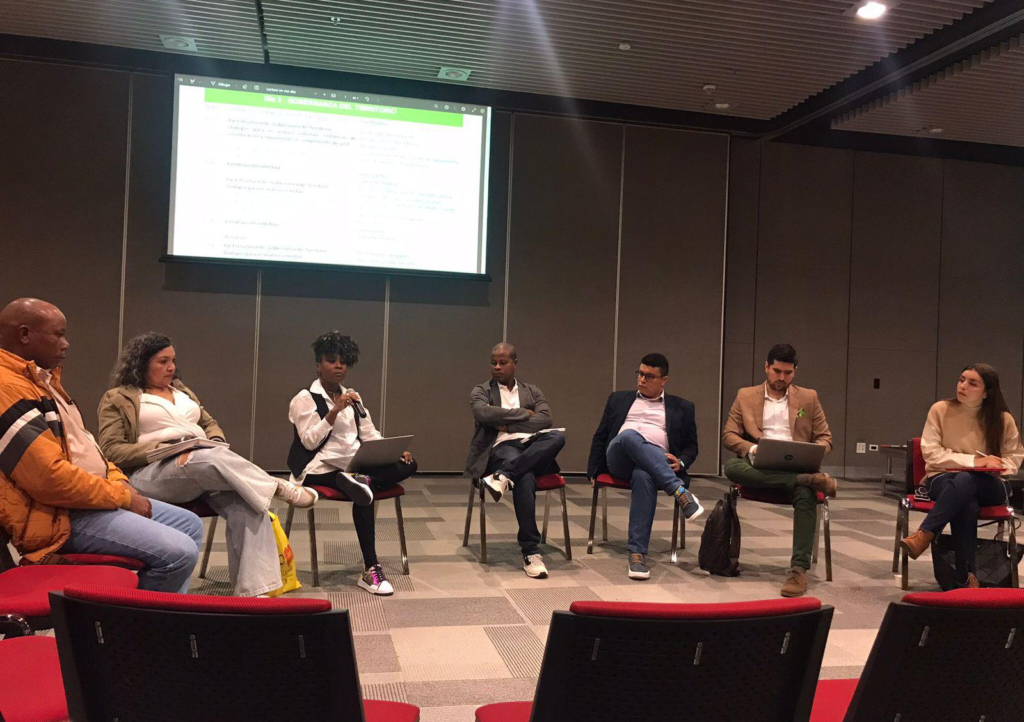
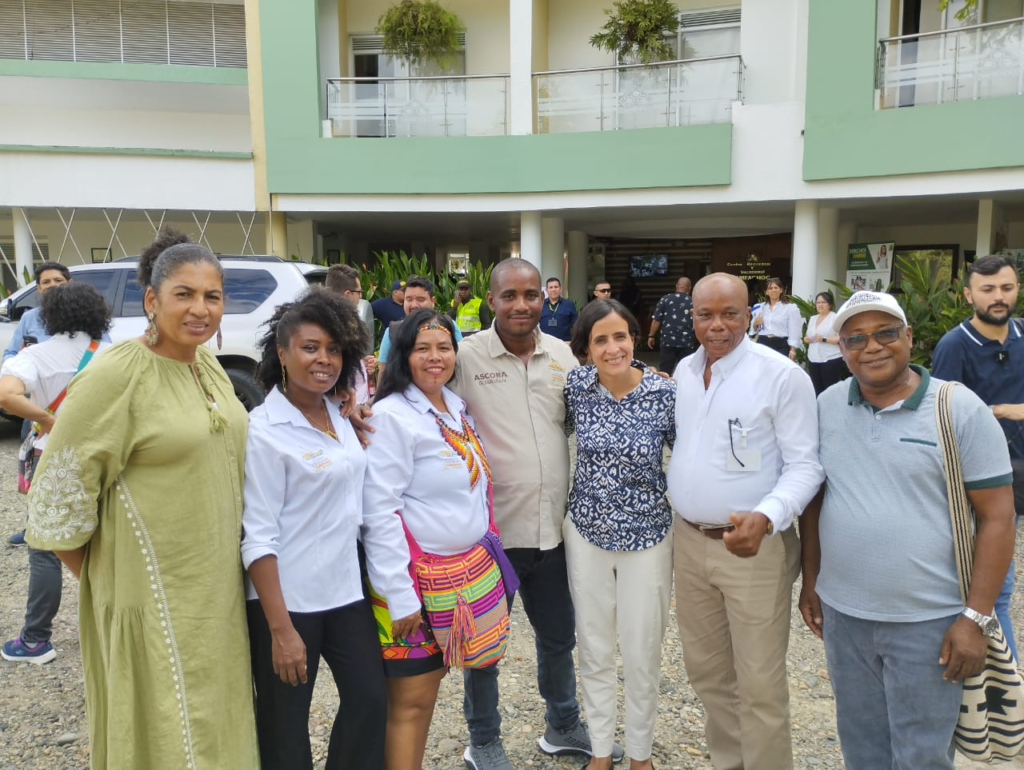
The day after the Forum, the XVIII session of the Guardians Commission was held, preceded by Environment Minister Susana Muhamad and the delegate of the community guardians. In this space the minister presented a strategic proposal for intervention in the river basin for the coming years in the light of the PND, and in particular of two of its fundamental pillars: the management around the water and the regional convergence.
XVIII Session of the Committee of Guardians of the Atrato
On the other hand, the Ministry showed progress in the structuring of an environmental mega-project to 2030 with which it seeks to give fulfillment to the fifth order action plan that is under its leadership. Crucial to this is the announcement about the Atrato Sub-account at the Life Fund. It also put forward a proposal by the Pacific Institute for Environmental Research (IIAP) for the zoning of the Atrato basin in six subregions, according to their environmental and socio-cultural characteristics, to organize state intervention by these nuclei.
For their part, the community guardians proposed giving special emphasis to the materialization of Article 275 of the PND, which was the product of their direct advocacy work with the Afro party during the legislative process. Compliance with this article is presented as a vital opportunity to move forward in overcoming the region’s backlog of basic sanitation.
The Collegiate Body insists that the Atrato is a clear opportunity for the current government to achieve an early victory that meets its bets on environmental and racial justice, in one of the most biodiverse regions of the country, but also with greater conflict and impact. This process has already come a long way as it has a road map drawn up in an exercise in environmental governance extended under the notion of land management around water. It is then hoped to have the political will to materialize it.
Share the article The New Government Facing the Atrato!
#ComplyToTheAtrato



 Contact Us
