


06/10/2023
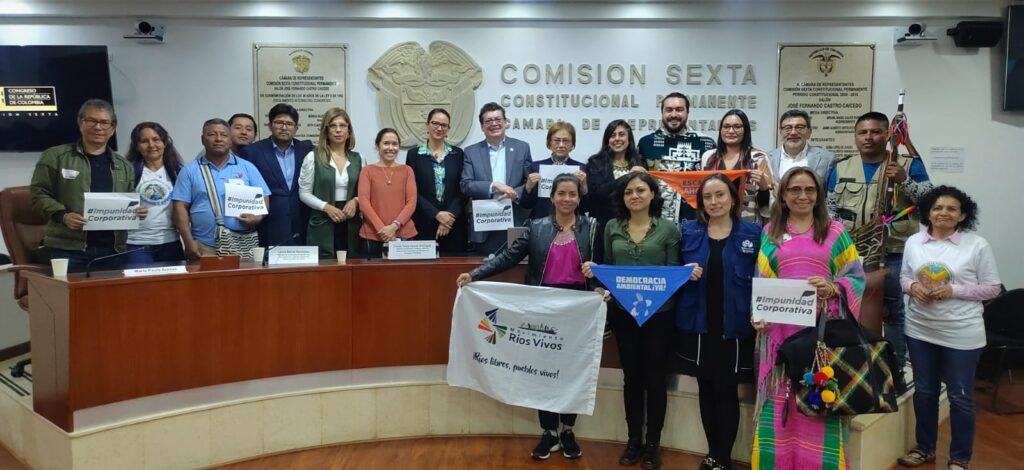
Social organizations and congressmen debated, together with representatives of the national government, on the need for mechanisms that oblige transnational corporations to be responsible in the field of Human Rights. Currently, the instrument that best meets this condition is the Binding Treaty on Business and Human Rights, the third updated draft of which will be discussed in the coming weeks at the United Nations headquarters in Geneva.
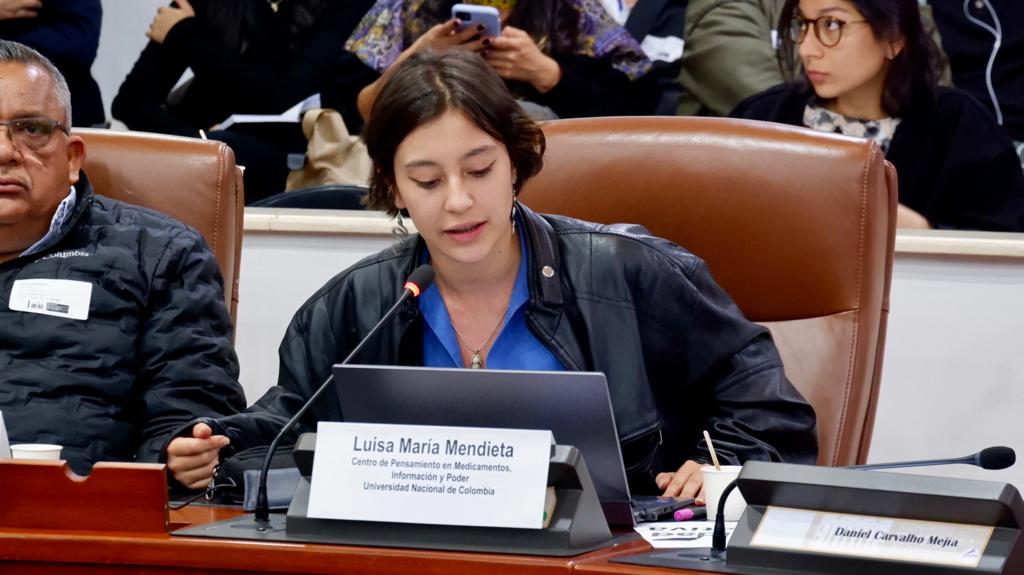
According to figures from the Transnational Institute, of the 100 richest entities in the world, 69 are companies, and since 1972 there have been unsuccessful attempts to regulate them. This was indicated by Juliana Rodrigues de Senna to portray the asymmetry of power represented by maintaining a self-regulatory scheme for corporations that exists today through regulatory frameworks in which voluntariness prevails, such as the Guiding Principles on Business and Human Rights and the National Action Plans, among others.
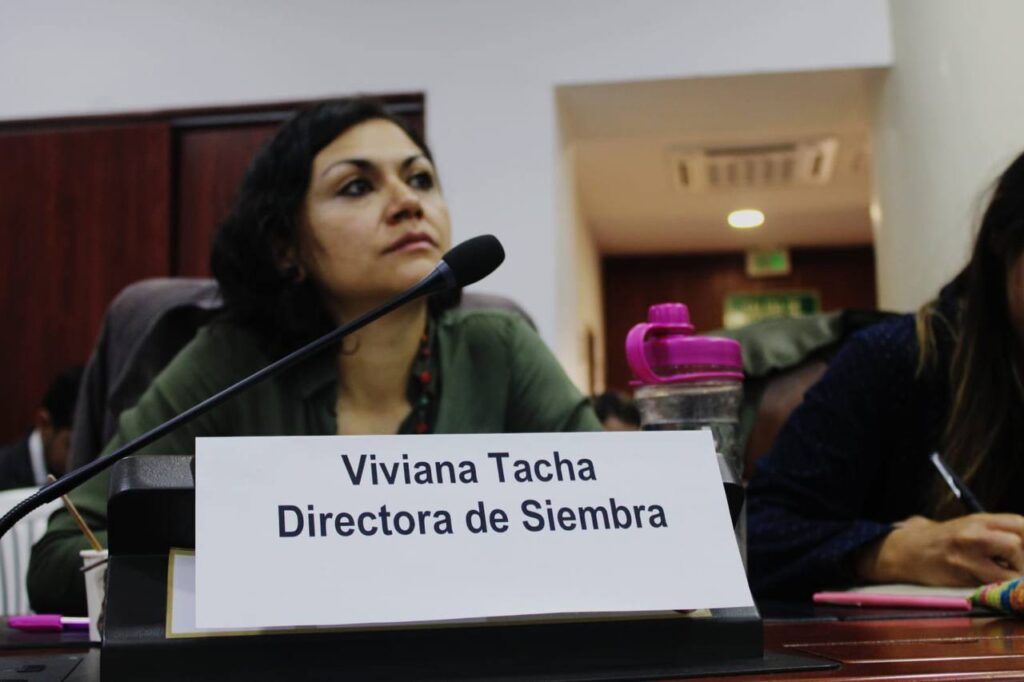
In turn in the debate, the Executive Director of the Socio-Juridical Center for Territorial Defense SIEMBRA pointed out that there is an agreement between the organizations on the need for binding devices to curb corporate impunity for two fundamental reasons. First, the recognition of an obvious fact: transnational corporations violate human rights and second, that this situation has not been recognized politically, which has resulted in a scenario of impunity. “One of the central reasons for this situation is the fact that we do not have mandatory human rights regulation for companies. This is explained by the power of transnational corporations, which even exceeds the power of some States, due to which they have managed to impose the paradigm of voluntariness. This is an inconductive paradigm for addressing human rights violations. Therefore, we require that the government of President Gustavo Petro prioritize the regulation of companies, and although we welcome the support given to the negotiations of the Binding Treaty that was made in the 2022 negotiations, we must take another step so that Colombia can actively contribute to the contents of this international instrument, “said Viviana Tacha.
The Executive Director of SIEMBRA insisted on the urgency of holding corporations accountable at the civil, administrative and criminal levels for human rights violations, which should lead to access to justice for the victims of corporate power, which, she pointed out, “is the heart of any mandatory rule”, and recalled that the brake on the processes of participation in environmental matters of the Popular Consultations that occurred due to a decision of the Constitutional Court was the result of litigation promoted by a transnational corporation, where companies were unaware of the fact of having obligations to respect the fundamental right to participation.
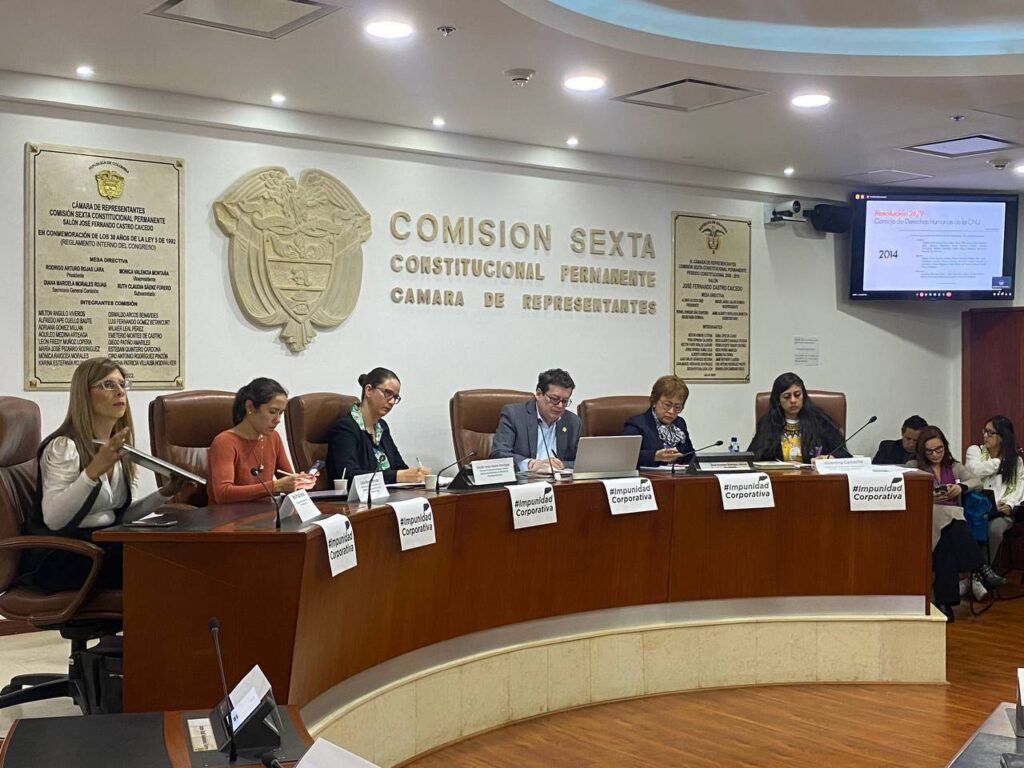
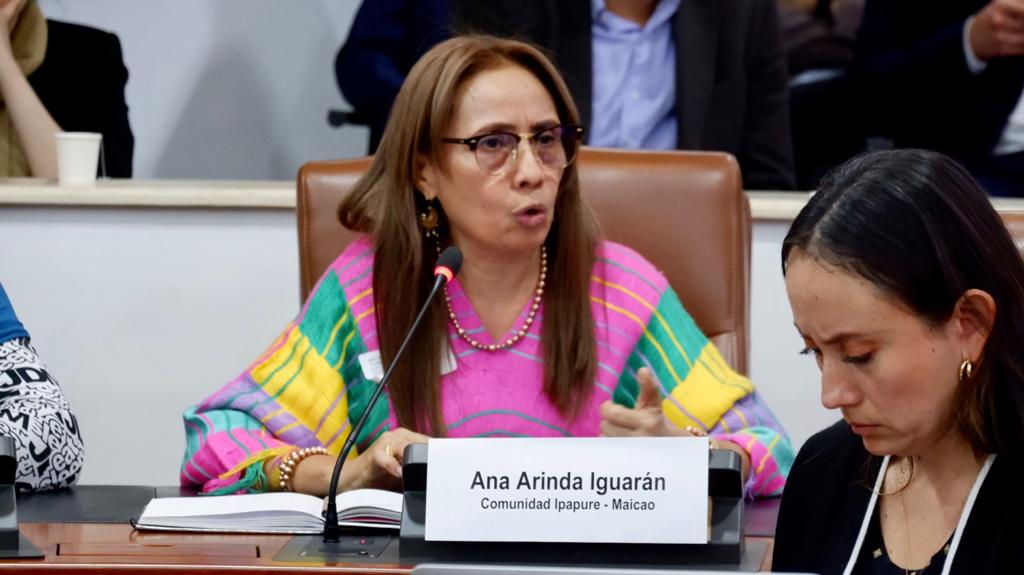
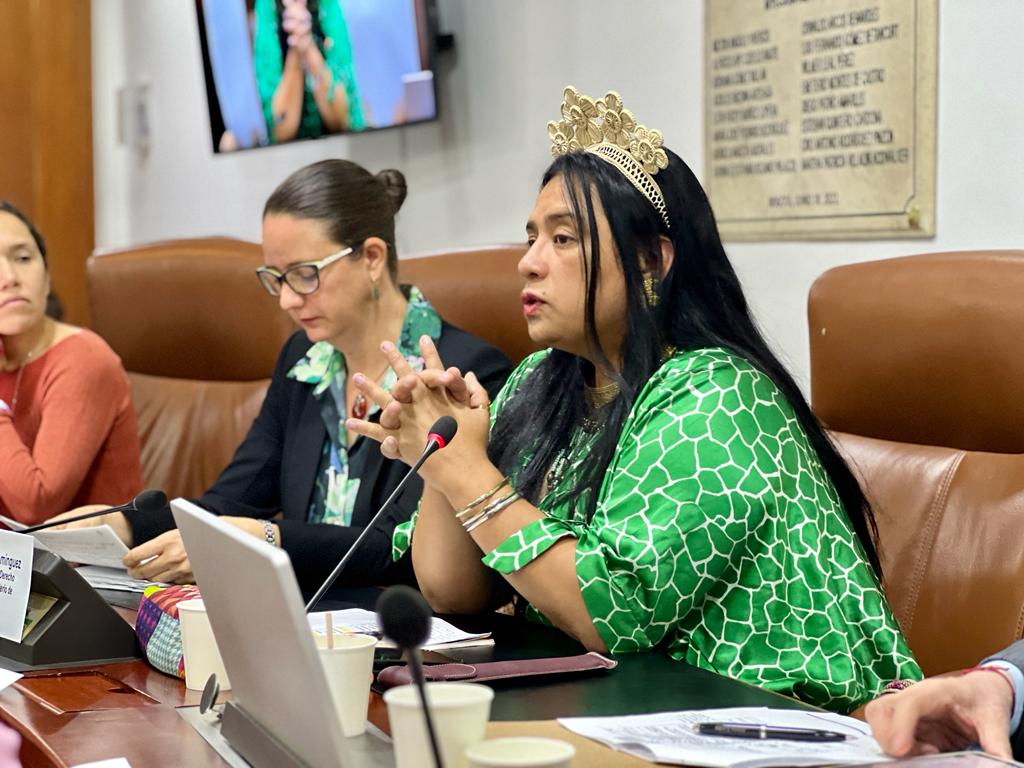
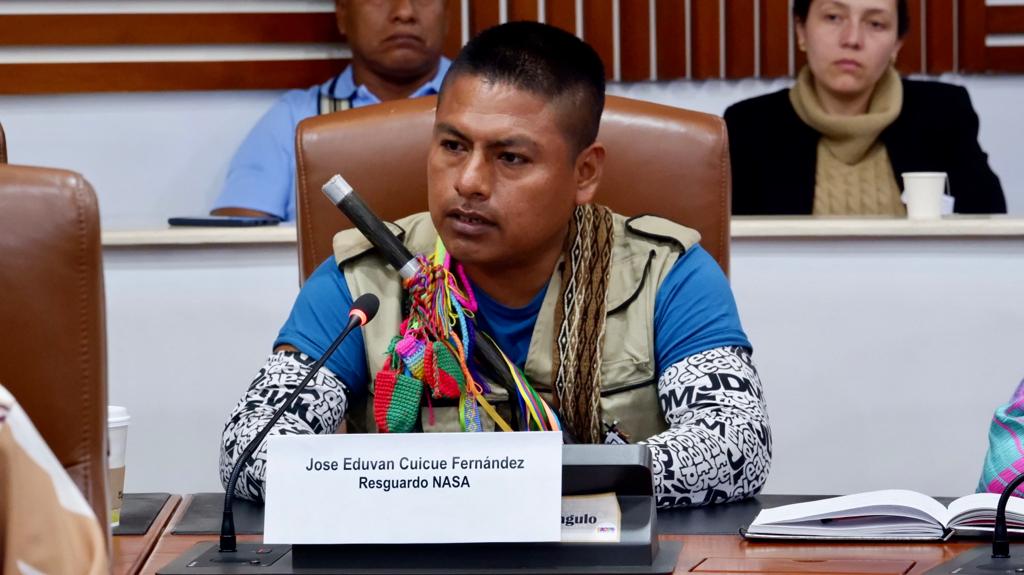
For his part, David Boyd, United Nations Special Rapporteur on Human Rights and the Environment, said that “the climate and environmental crisis is also a human rights crisis” and that “due to an obscure mechanism created by international trade and investment treaties that gives foreign investors immense power, these essential state actions to protect the environment and addressing the climate crisis may be being blocked.” Boyd refers to the investor-state dispute settlement (ISDS) mechanism that transnational corporations have used to sue states.
“Sharks can feel blood in the water. Corporate lawyers can make easy money. The number of known cases of ISDS related to measures adopted by States to protect the environment has skyrocketed from 12, before 2000, to 37, between 2000 and 2010, and 126, in the period between 2011 and 2021. Colombia has already been affected by 20 known cases of ISDS, 12 of which involve mining and fossil fuels, “said the Rapporteur, who concluded: “The legally binding instrument on business and human rights that is currently being negotiated is another important tool to hold companies accountable for their human rights responsibilities. “
House Representative Alirio Uribe Muñoz noted that the requirement of the Binding Treaty is not new. This is a work that has been carried out jointly by civil society and congressmen committed to Human Rights for several years. He also called on the government to comply with the projections made in terms of economic compensation and international human rights policy, and to advance in an internal regulatory framework that leads to a law on human rights and business while the negotiations of the Binding Treaty at the United Nations advance.
The reasons for Colombia to be at the forefront of the debate on Business and Human Rights are obvious and are that the national government must take sides on the text of the Binding Treaty to be discussed in Geneva.
Relive the discussions at:



 Contact Us
